
Product Design & UX
Designers and engineers working under one roof, not across a handoff.
Designs can lose fidelity after the handoff from a design agency to an outside engineering team. Subtle interactions get dropped, components drift from the design system, and the version that ships ends up rougher than the version that was approved.
Our design team and our engineering team work under the same roof and on the same projects. The designers understand the engineering constraints going in, the engineers are involved early enough to shape decisions that affect how the product gets built, and the handoff between them happens as a conversation rather than a file export.
MVP scoping and product strategy
We help founders cut a product idea down to the minimum that proves the thesis. Discovery output is a clickable prototype, a feature scope, and a build estimate, not a slide deck. That means you walk into your next funding conversation with something you can demo, a plan you can defend, and a number you can actually ask for.
Design systems and component libraries
When the scope calls for it, we build out a full design system: type scale, color tokens, spacing, components, and states shared between Figma and the codebase so design and code do not drift. Smaller engagements get a lighter version scoped to what the project actually needs. We match the depth of the system to the budget and the product rather than pushing every client toward the same deliverable.
Responsive design for desktop and mobile
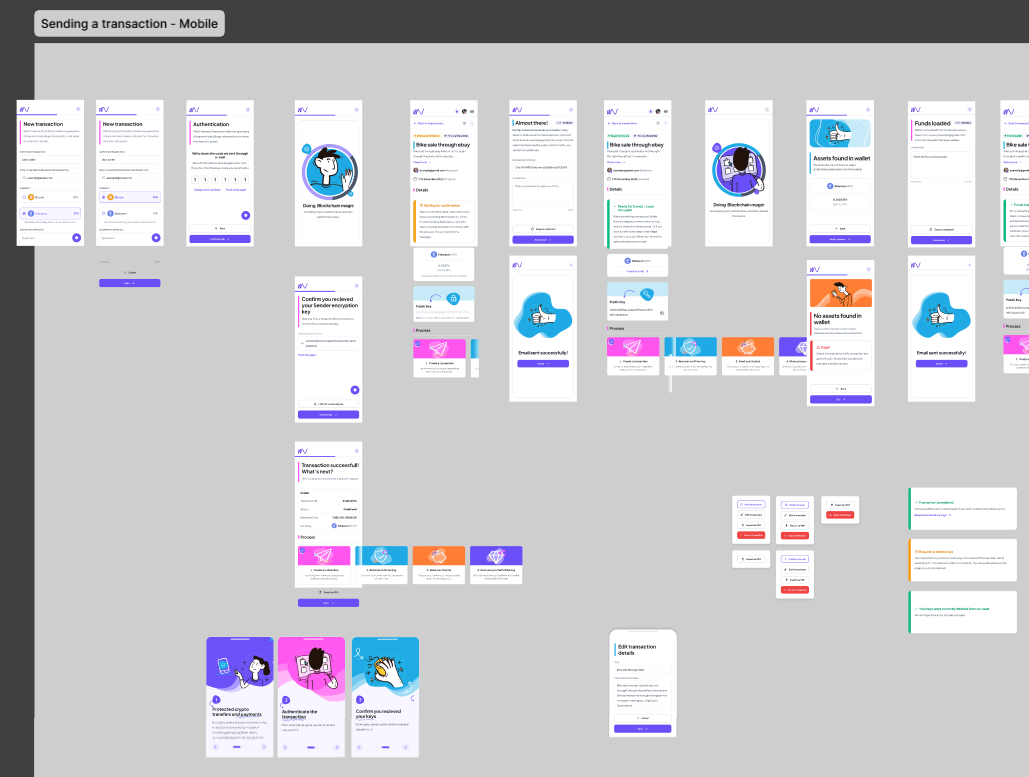
Designs ship working on every screen the product will be used on. When the budget supports it, our designers produce a dedicated mobile view as its own artifact rather than leaving the phone experience entirely to responsive CSS. Whether we start from desktop or mobile depends on where your users actually are.
Interactive prototyping and user flows
Prototyping depth scales with budget: static screens at the lightest end, Figma animations and transitions that communicate motion in the middle, and a fully clickable prototype with real flows, states, and navigation at the deepest tier. Whichever level fits the engagement, the iteration happens before production code is written, which is where changes are cheapest.
Design and engineering under one roof
Specialist designers and specialist engineers, working together from kickoff rather than exchanging deliverables across a contract. Engineers are in the design reviews, designers are in the code reviews, and the people with the relevant capability get assigned to the parts of the product that need them. The result is a product where the shipped version matches the approved version.
Accessibility built in
WCAG 2.1 AA accessibility is part of the design process, not a remediation pass at the end. Color contrast, keyboard navigation, focus states, and screen reader semantics are baked into components.
Discovery and strategy
We map users, their goals, and the success metric for the product. The output is a set of user stories and a prioritized feature list that both the design and engineering teams work from, so there is a shared understanding of what we are building and why before any design happens.
Wireframes and flows
Low-fidelity wireframes establish the structure of the product and the navigation between screens. This is the cheapest place to discover that the original plan was wrong.
High-fidelity design and prototype
Final interface design across mobile and desktop, paired with a clickable prototype that walks the real flows. By the end of this phase the product can be tested with users without writing code.
Implementation
Engineers build what the design team designed, with the designers still in the room for the ambiguous decisions. Pixel-perfect React with the design system tokens compiled into Tailwind.
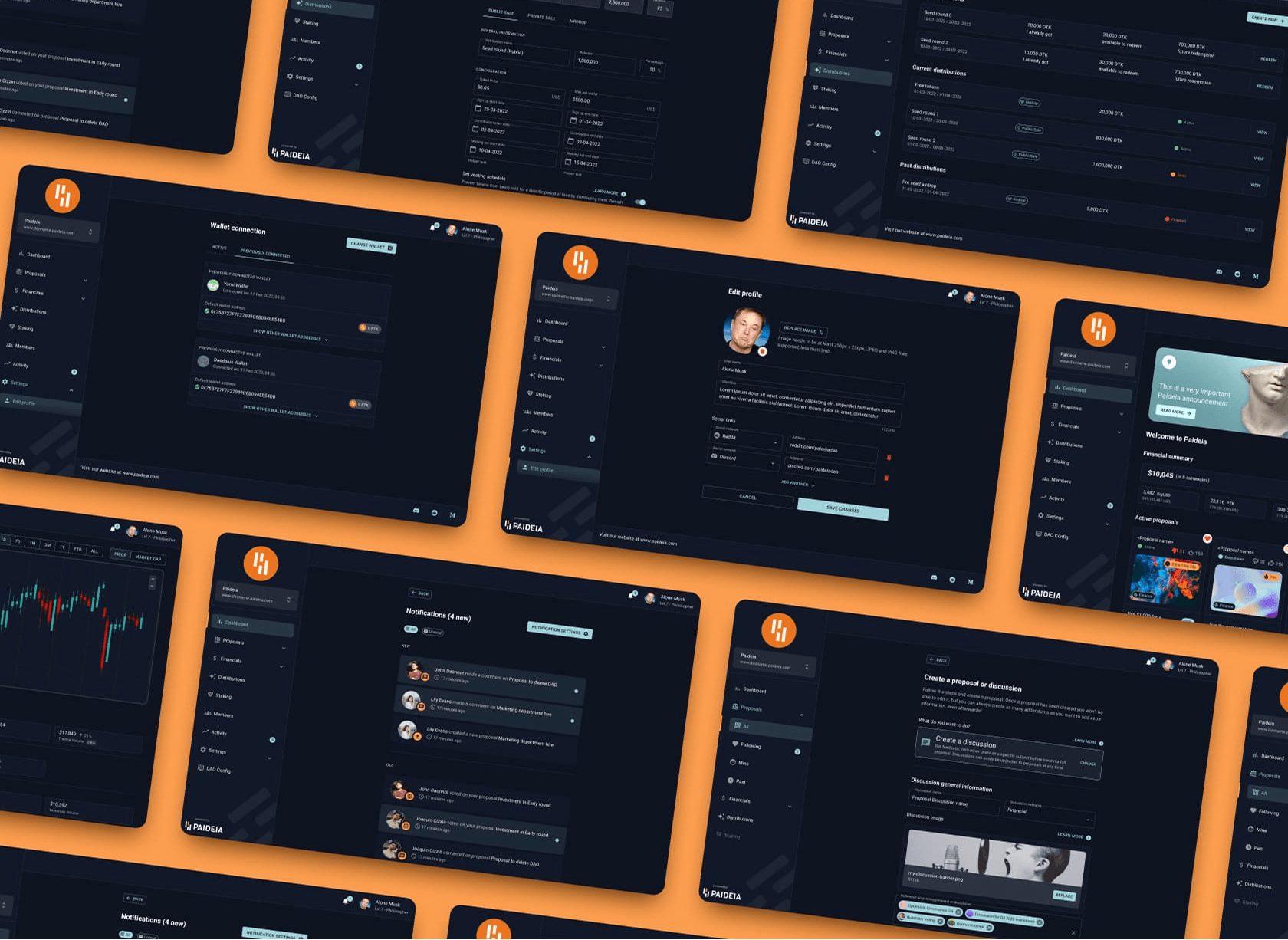
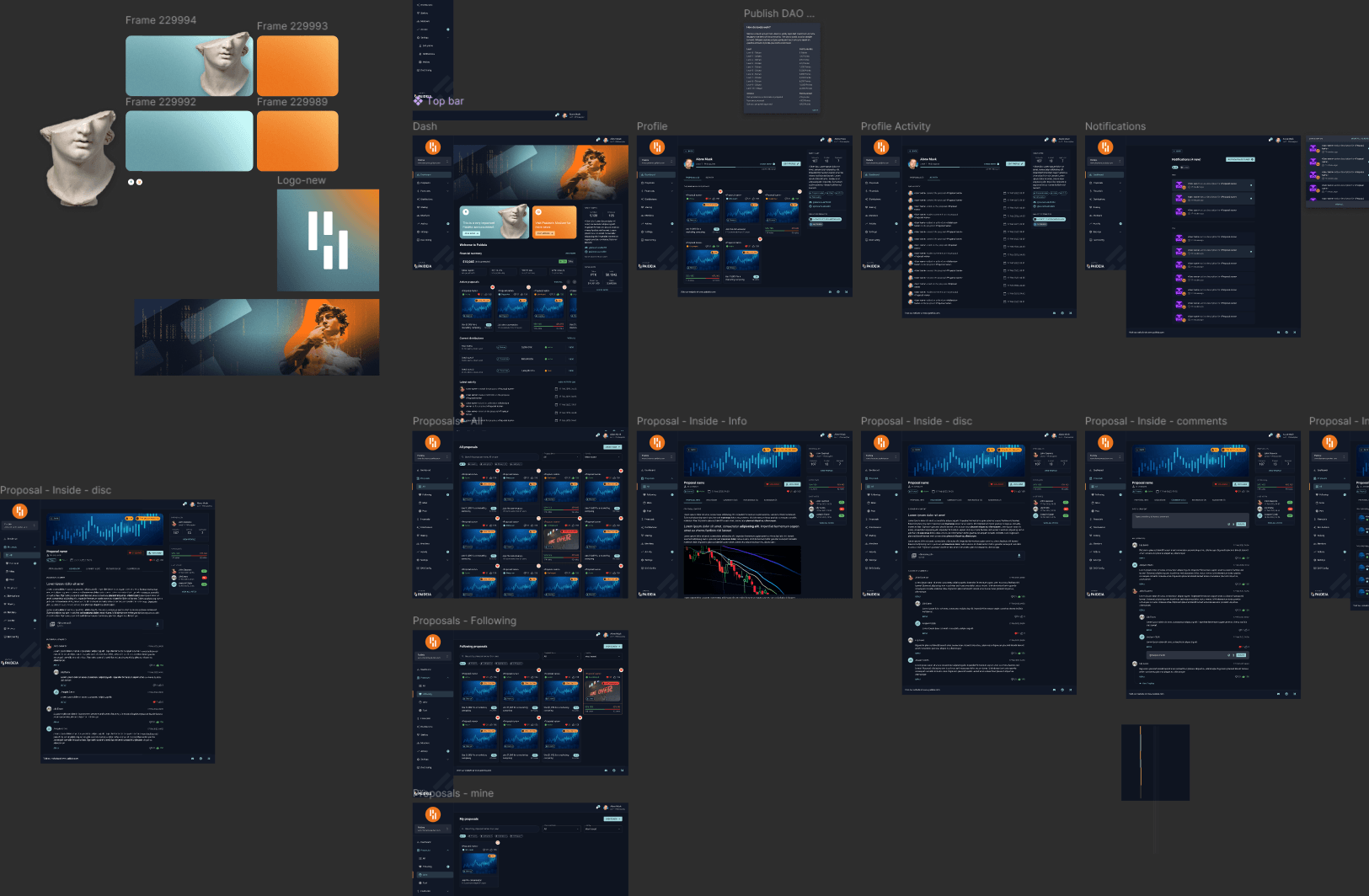
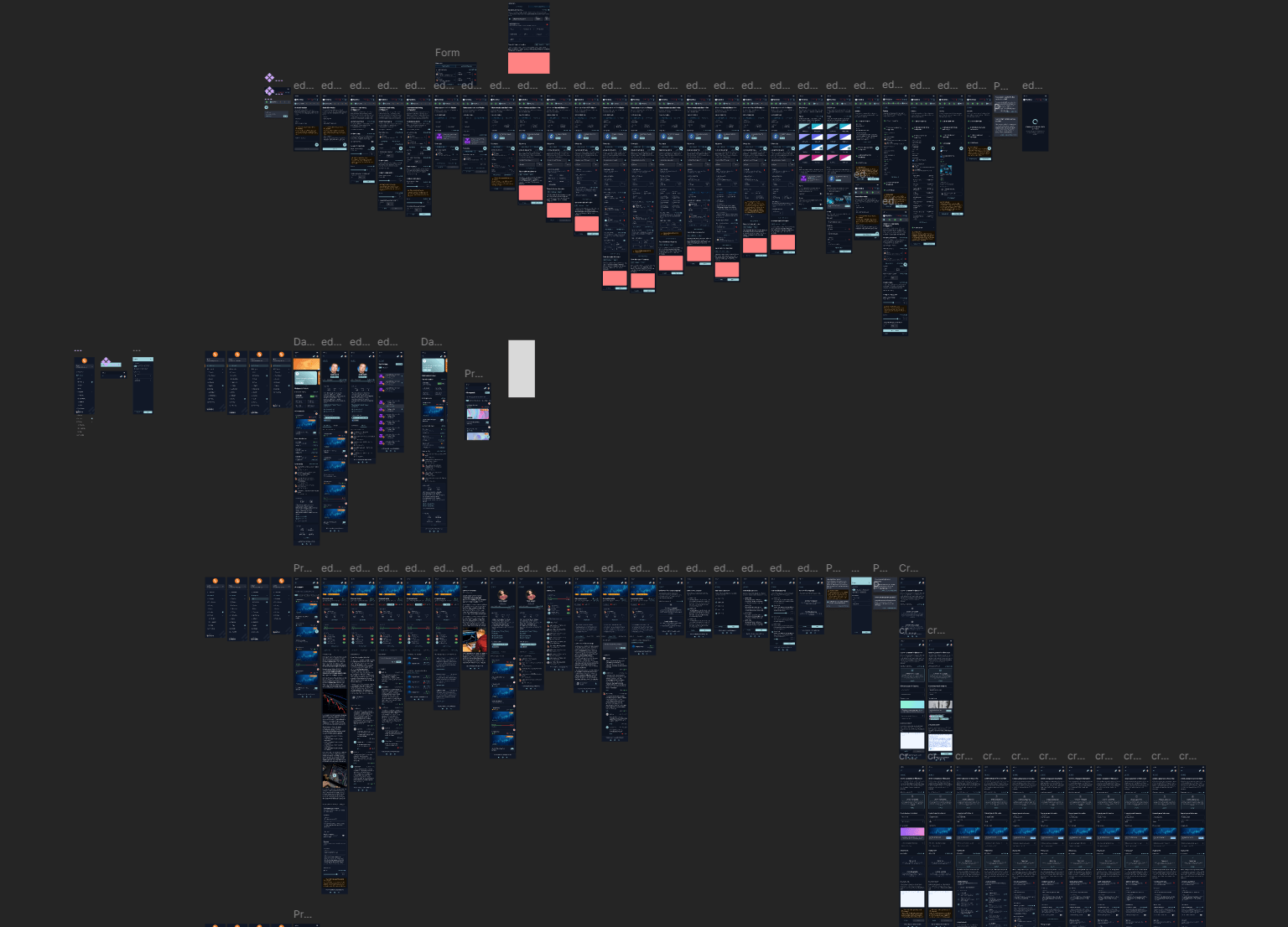
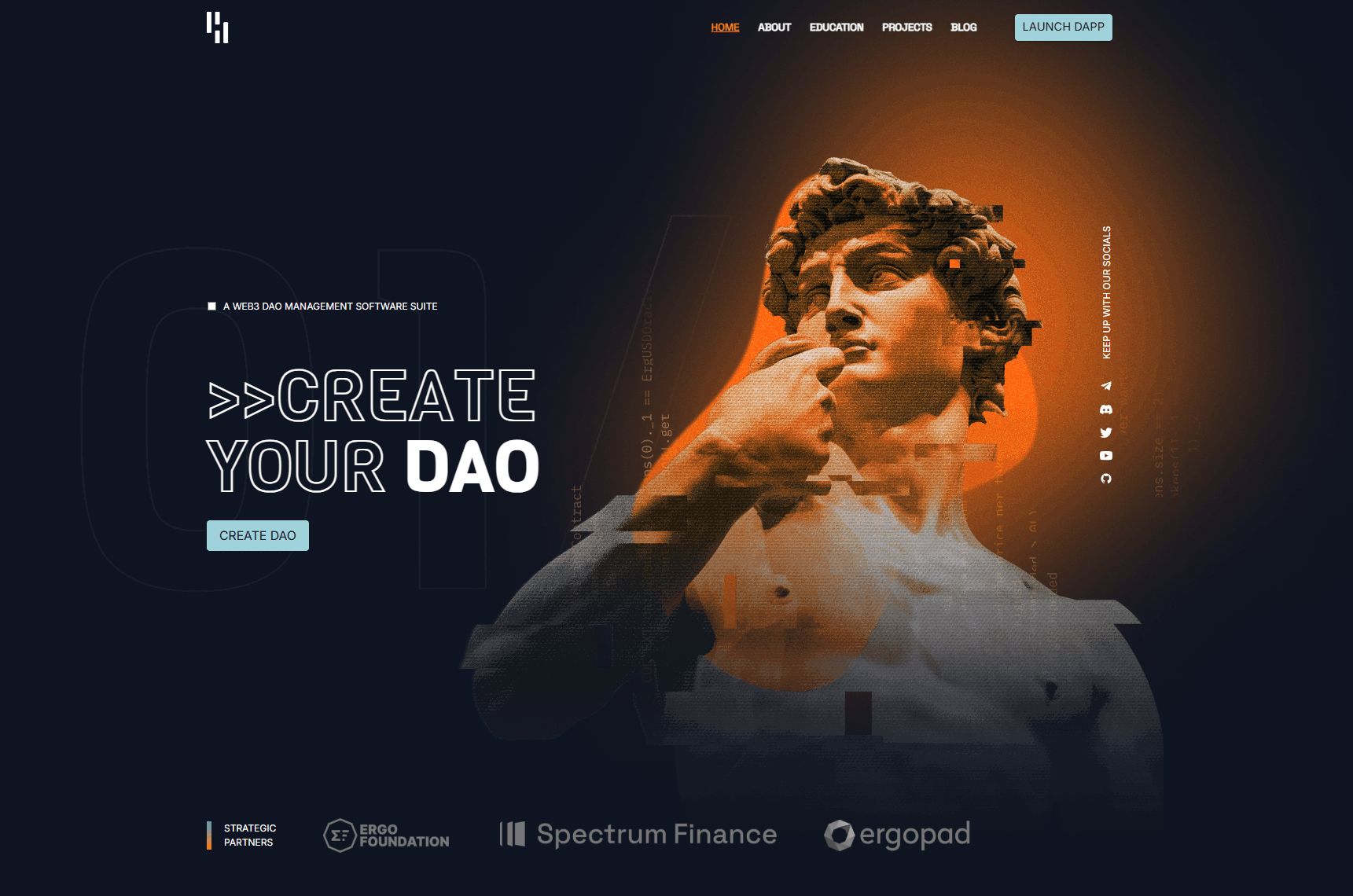
Paideia
DAO management platform designed from the ground up by our UX team. Complete design system covering governance, proposals, treasury management, and staking, across both Ergo and Cardano implementations.
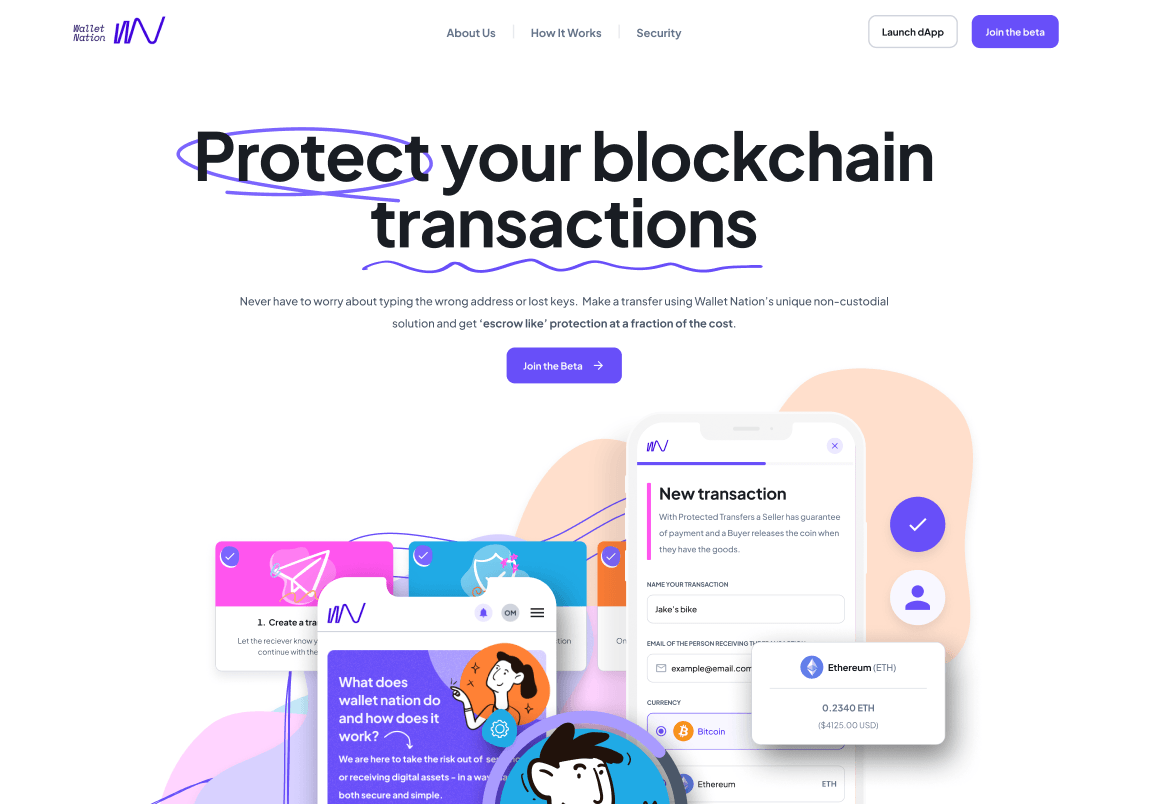
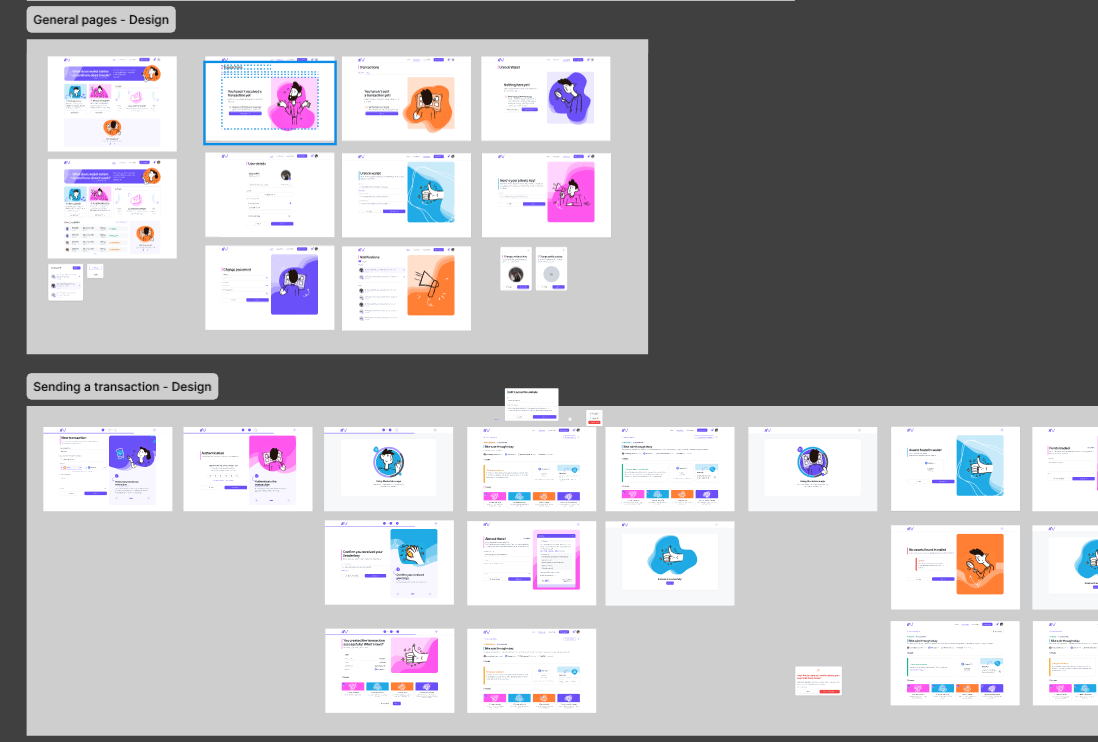
Wallet Nation
Complete UX design system for an Ethereum escrow wallet app. Mobile and desktop screen designs delivered from our UX team, then implemented pixel-perfect in code.
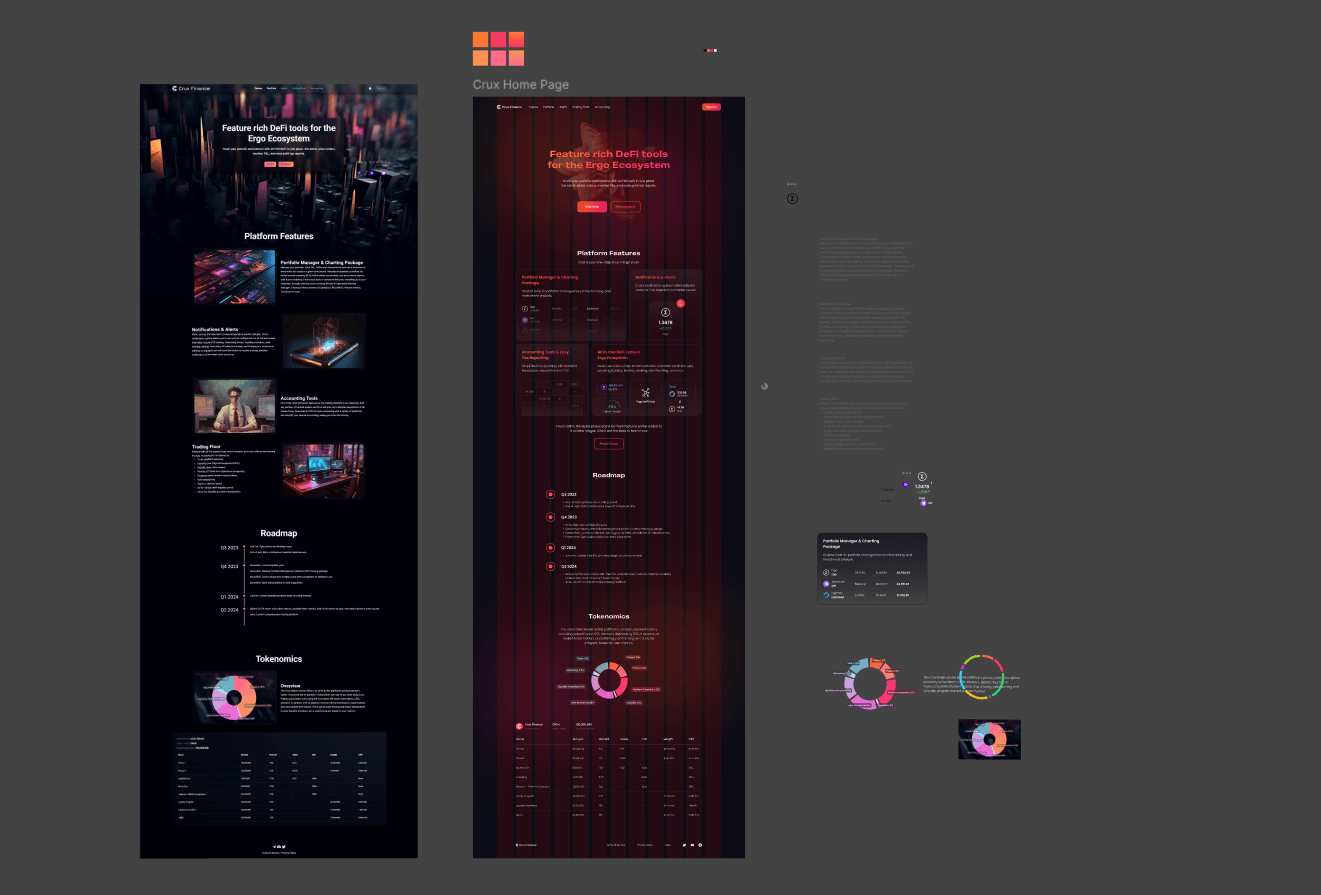
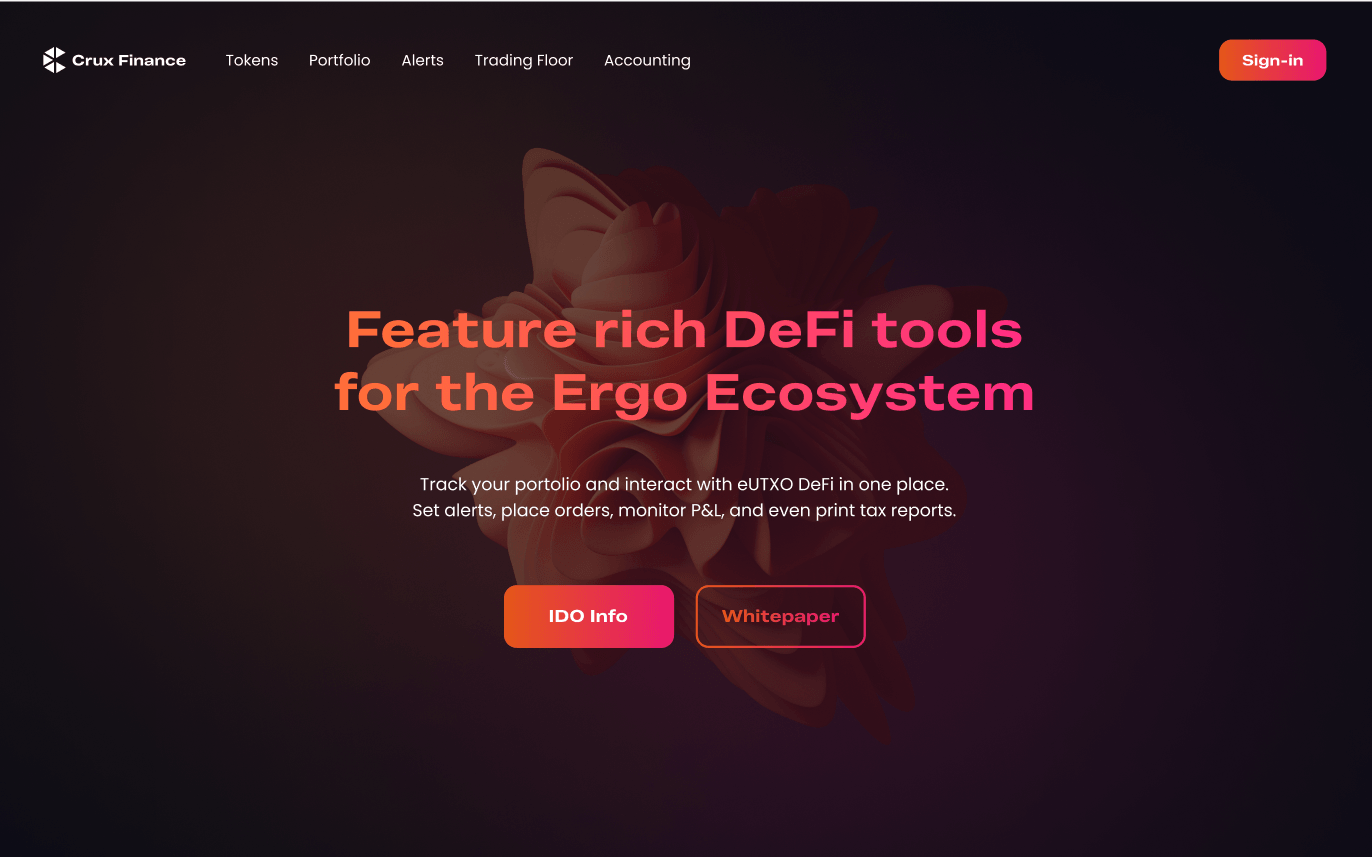
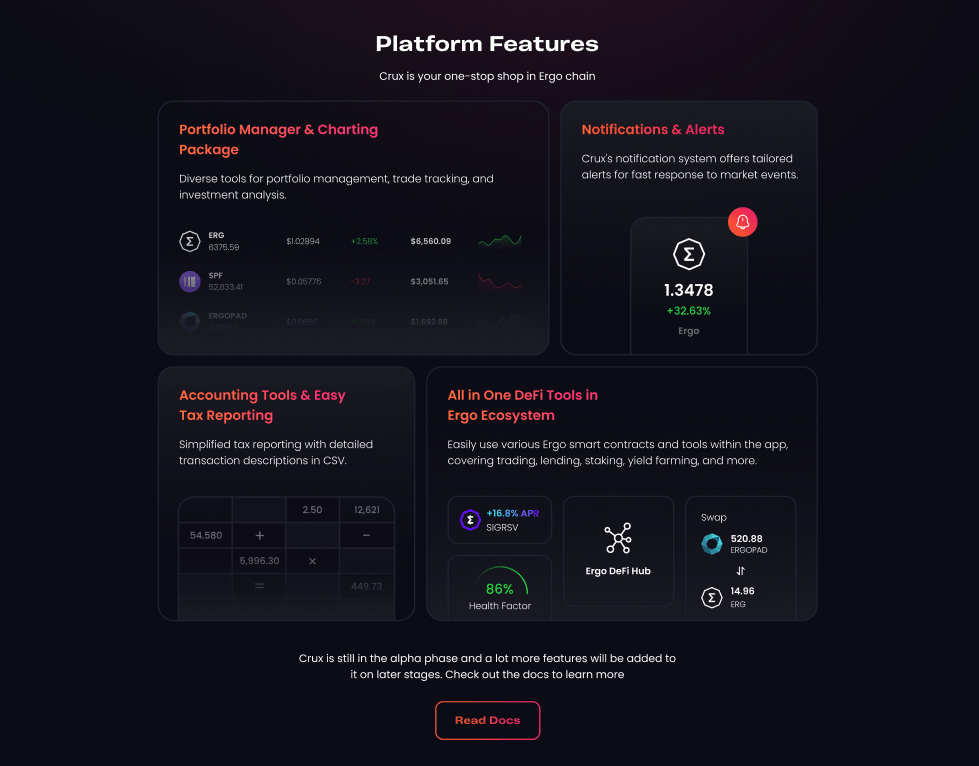
Crux Finance
Landing page and core UI designed by our UX team for a DeFi portfolio and accounting platform on the Ergo blockchain.
Can you design without also building?
Can you build from a designer we already have?
How is an engagement scoped and billed?
Who owns the design files and code?
Do you do design system audits?
What happens after launch?

Need design and development under one roof?
Tell us about your project and we will show you how we work.