MVP development for startup founders

We design and build a founder's first product, from idea to production, with designers and engineers on the same team. We have been shipping production software since 2011.

What sets the cost of your MVP

Scope sets the cost of an MVP, so a number quoted before anyone understands what you are building is a guess. A few decisions drive a large part of that cost, and you can check each one against your own plan.

How many separate interfaces does it have?
A customer app, an admin area, and a staff app are close to three products sharing one backend.
Does money move through it?
Taking a card payment is well-trodden work. Holding funds for other people, as a marketplace does, is a different category of software.
Which outside systems does it depend on?
Each one is another company's API, with its own failures and release schedule.
Web only, or native iOS and Android too?
Each native app is another codebase, plus its own trip through store review.
Does it handle legal, health, or financial data?
If so, the controls are engineering work inside the build, and they can be planned for from the first release.
Does the AI call an existing model, or does it need one trained for your domain?
The first is inexpensive to build on, and the second is a different budget.

We wrote more about each of these in How much does it cost to build an MVP.

How we build it

We help founders cut a product idea down to the minimum that tests it. A senior principal leads every project, with the designers and engineers it needs.

  1. 01

    Discovery

    We map your users, their goals, and what success looks like, and turn that into a prioritized feature list.

  2. 02

    Wireframes and flows

    Low-fidelity screens set the structure. This is the cheapest point to find out the original plan was wrong.

  3. 03

    Design and prototype

    Final screens for mobile and desktop, with a clickable prototype you can test with users before any code is written. You approve the designs before development begins.

  4. 04

    Build

    Engineers build what was designed, with the designers still involved. We build in stages, so you see the product come together and can correct course early.

We build products such as marketplaces, AI platforms, and fintech products, and take them to production with the security they need. For products that handle health data, we build to HIPAA requirements.

MVPs we have built

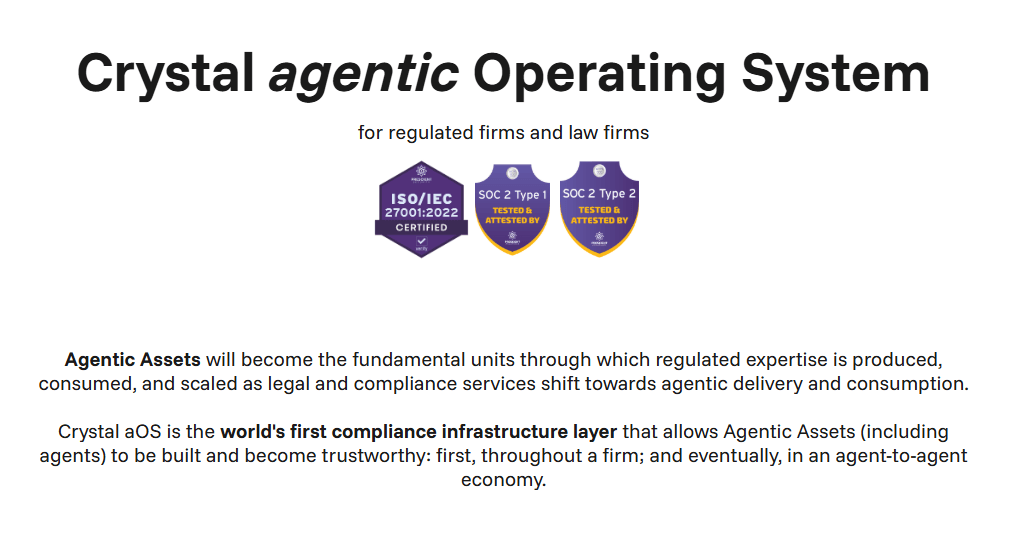
Crystal aOS

Crystal aOS

Secured significant seed funding through private equity & Techstars

This was a concept-to-production engagement that produced a pitch deck, MVP, and the eventual product. The MVP attracted private investment and the platform later joined Techstars with additional seed funding.

Case study
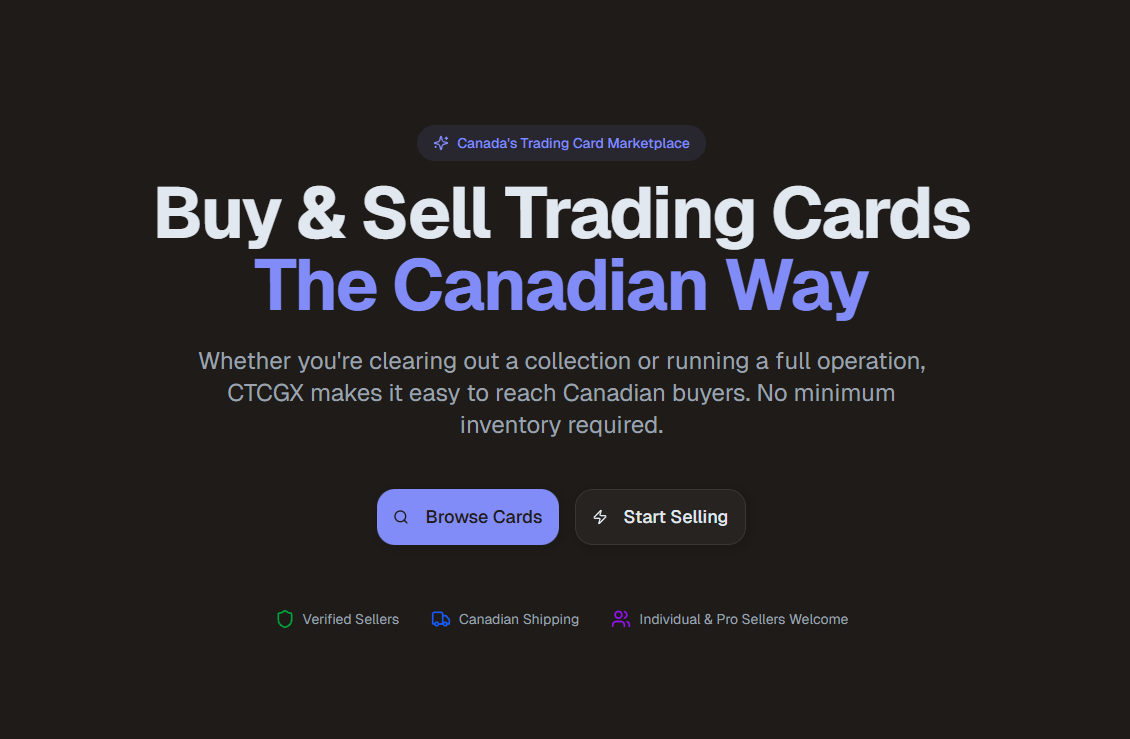
Canadian TCG Exchange

Canadian TCG Exchange

Live marketplace across eight trading card games

CTCGX competes directly with TCGPlayer in the Canadian market, processing real seller-to-buyer transactions with escrow payments and multi-channel inventory tools.

Case study
“Whatever the project scope, you can trust that things will be handled professionally, on time, and without unnecessary friction. I would recommend Morley Media to anyone looking for development services, regardless of industry or project size.”
Nicolas Bondancia, Google review

What happens when you book

  1. 01

    Pick a time

    The Book a call button opens our scheduler, where you can add a note about what you want to build.

  2. 02

    Talk it through

    Tell us what you want to build, and we will say whether we can help.

  3. 03

    Scope before numbers

    If it is a fit, the scoping conversation comes before any estimate is written down. Discovery produces a clickable prototype, a feature scope, and a build estimate.

Questions

How much does an MVP cost?

It depends on scope, which is why we do not quote before we understand what you are building. The questions above cover what moves it. Discovery ends with a feature scope and a build estimate.

How long does it take?

An MVP with real users, payments, or a compliance requirement tends to take a few months of work. The weekend builds in demo videos are prototypes, and they skip the parts that make software safe for real customers and their data. We give you a timeline after discovery.

I'm not technical. Can I still run this?

Yes. You approve the wireframes and the designs before development begins, at the stage where changes are cheap. We build in stages, so you can see the product come together and correct course early.

What if nobody has tried the idea yet?

Then a prototype you can put in front of real people can be a better first spend than a production build, and we tell founders this before taking the work. Where an existing product, or a thin layer over tools you already pay for, would do the job, we say that too.

What happens after launch?

We can keep going with design and engineering on a retainer, or hand off to your in-house team.

Tell us what you want to build.

We will say whether we can help.

Book a call

Rather write?

Book a call