
DeFi & Blockchain
Audited smart contracts, indexing infrastructure, and on-chain protocols that have held real money for years.
Blockchain bugs do not crash a service that someone restarts later, they drain treasuries. That changes how the work gets done. Security has to be a property of the design rather than a remediation pass at the end, and the infrastructure has to survive a real network rather than a happy-path local testnet.
We work with founders, protocol teams, and DAOs taking custody of real funds. The work that matters happens before the first line of contract code, in the threat modeling and the architecture choices that make exploits structurally difficult.
Smart contract development and audit
We write production smart contracts in Solidity, ErgoScript, and Aiken, with internal review processes that catch issues before they reach external audit. We also audit contracts for teams who want a second set of eyes before mainnet.
DeFi protocol design
Staking, governance, IDO launches, lending, liquidity pools, and yield mechanisms. We have shipped each of these in production and we know which patterns hold up under adversarial conditions and which fall apart the first time someone tries to game them.
DAO governance and treasury
Smart contract enforced governance where approved proposals execute treasury spends directly on-chain rather than waiting for a multisig signer to act. Configurable quorum and majority thresholds, whitelisted proposal types, and audit trails of every disbursement.
Custom blockchain indexing
Public node APIs are slow, rate-limited, and frequently incomplete. We build custom indexers that read directly from chain data and serve clean, queryable APIs to the rest of the application. This is what makes a fast Web3 frontend possible.
Self-hosted node infrastructure
We run production blockchain nodes on physical infrastructure for Ergo, Cardano, and Ethereum because cloud node operations are cost-prohibitive at scale. Multi-continent deployment for redundancy and latency.
Account abstraction and wallets
Embedded wallets, social login, gasless transactions, and multi-chain account abstraction with ZeroDev, Dynamic Labs, Biconomy, Privy, and wagmi. Users should not need a hardware wallet to use a DeFi product.
Discovery and threat modeling
We map the protocol mechanics, the user flows, and the adversarial scenarios. Threat modeling happens before design, not after, because the cost of fixing a smart contract vulnerability after deployment is measured in lost user funds.
Contract design and testing
We design the contract architecture, write the implementation with comprehensive test coverage, and run on-chain tests against testnets. Reviews happen continuously rather than at the end of the engagement.
External audit and remediation
For protocols that hold real funds, we coordinate external audits and remediate findings before deployment. We have worked with several reputable audit firms and we can recommend the right fit for the protocol.
Deployment, indexing, and frontend
Deployment is paired with custom indexing infrastructure and a frontend that respects how Web3 users actually behave. Monitoring, alerting, and incident response are wired in before mainnet.
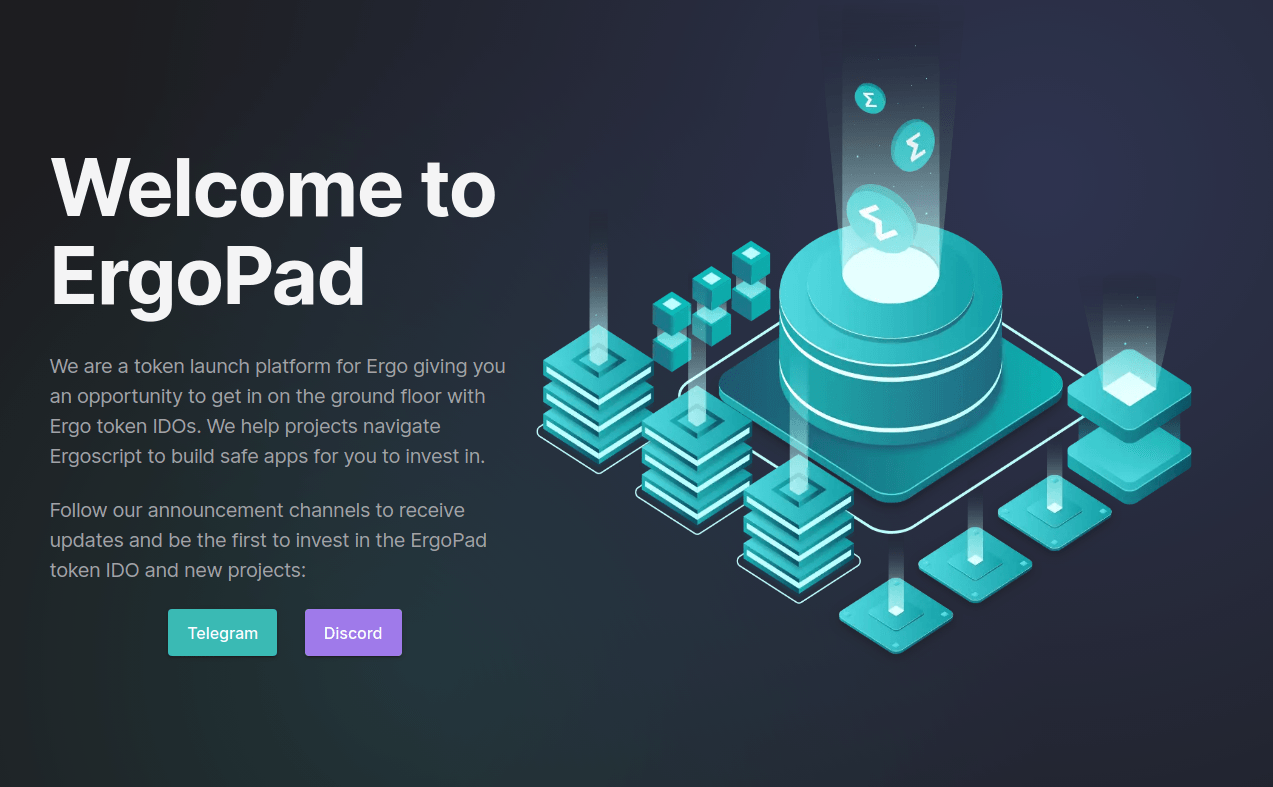
ErgoPad - Ergo Blockchain Launchpad & Staking Platform
$20M+ TVL under smart contracts.
Smart contracts we wrote and audited managed over $20 million USD in deposited funds across IDO launches, staking, and yield farming during the 2021 bull market, with the platform scaling to thousands of concurrent users on self-hosted infrastructure built specifically because cloud node operations were too expensive at that scale.
View case study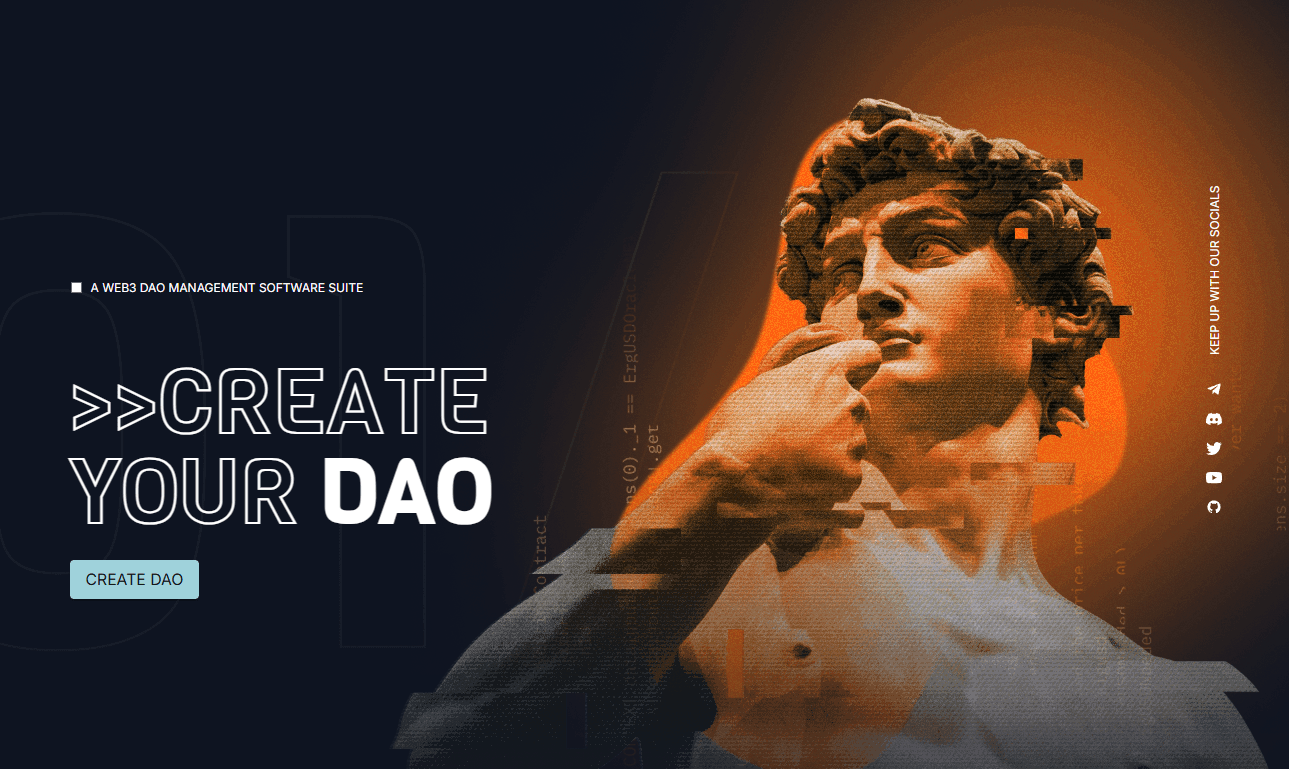
Paideia - DAO Management Software Suite
Live for years with zero exploits.
Smart contracts we wrote have managed real treasury funds across Ergo and Cardano for years with zero exploits. The Cardano expansion was funded by a Project Catalyst grant.
View case study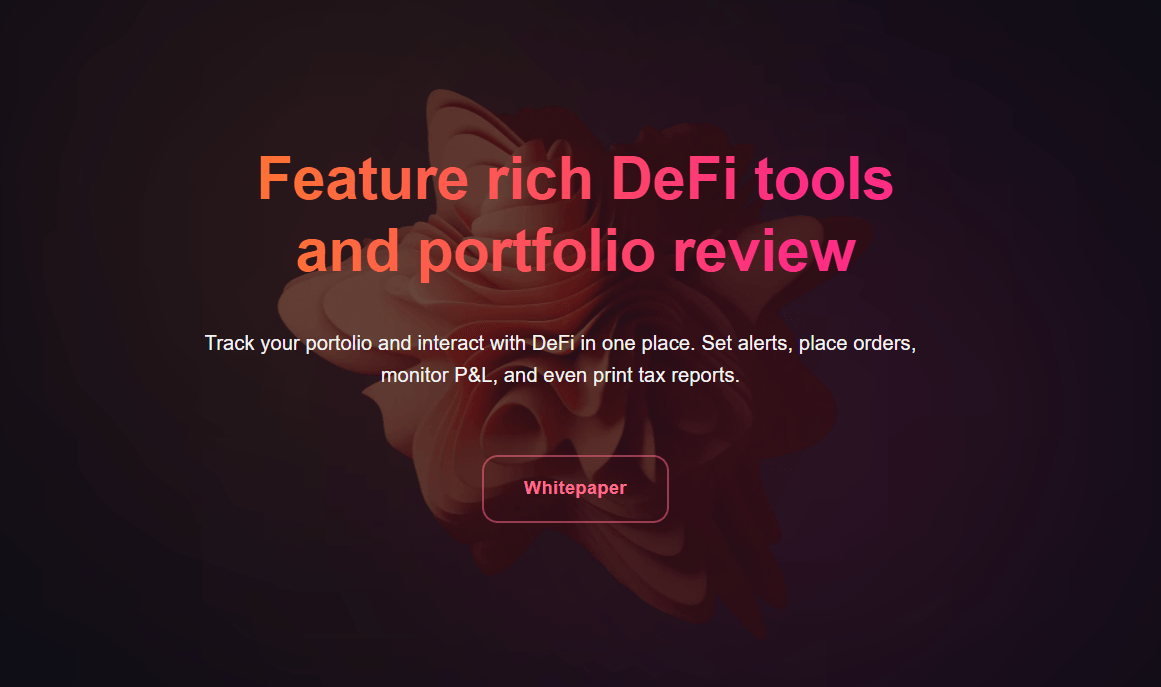
Crux Finance - DeFi Portfolio & Accounting Platform
Listed as an official Ergo ecosystem tool
Crux Finance is included in Ergo's official documentation as a recommended ecosystem tool, used by traders and investors who need both real-time portfolio tracking and audit-ready tax outputs.
View case study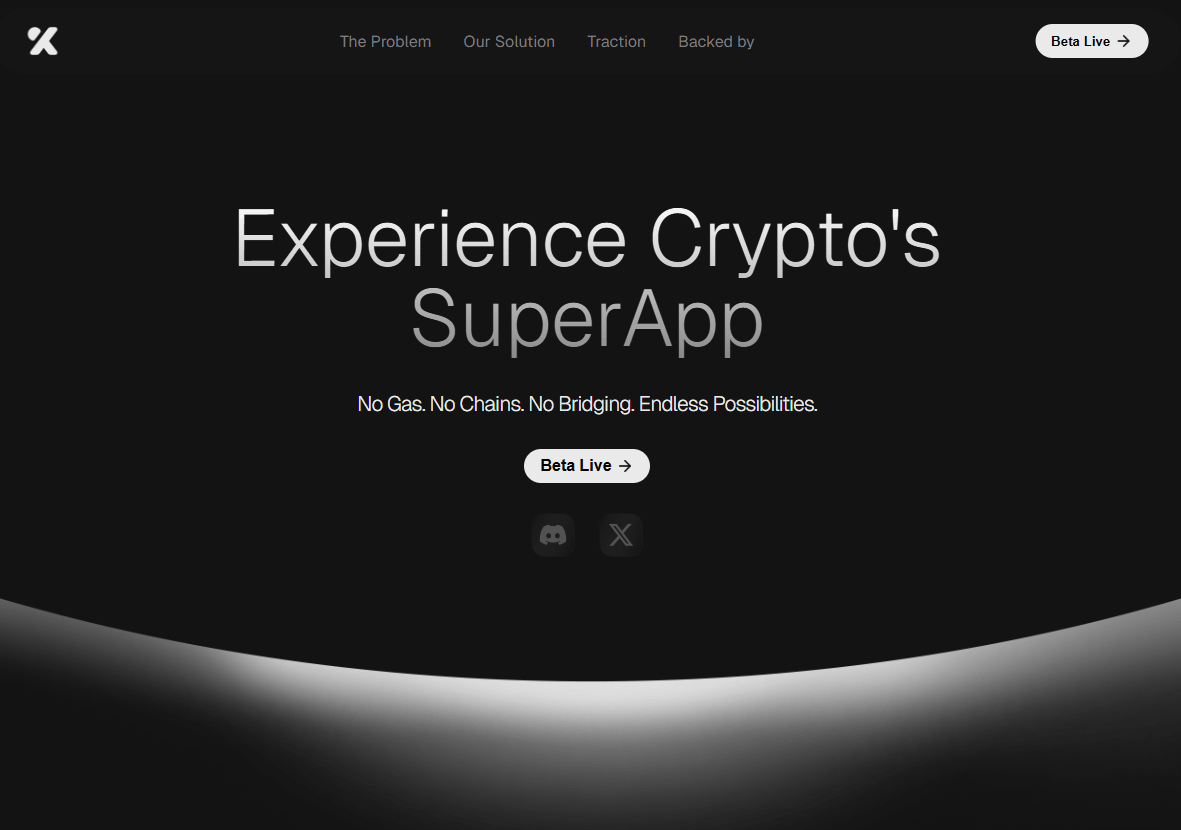
RampX - Crypto Onboarding & Trading dApp
Multi-chain DeFi super-app built end-to-end
We took the full DeFi product stack from web through mobile, wallet, and trading. The cross-chain swap and perpetuals app reached production-ready completion but was held back from public launch.
View case study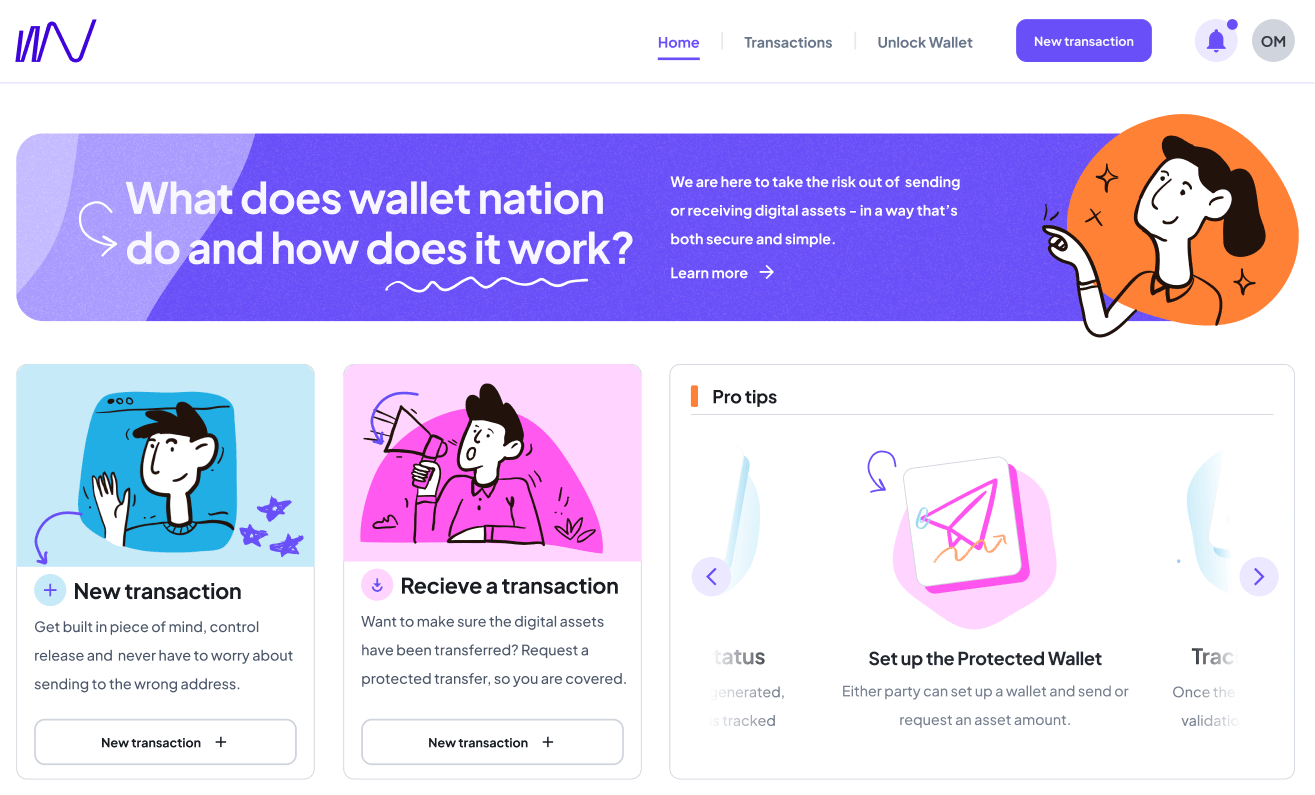
Wallet Nation - Ethereum Escrow Wallet App
Complete UX design system delivered
We delivered a complete UX system covering every screen across mobile and desktop, then shipped the frontend implementation matching the design system pixel-for-pixel.
View case studyWhat chains do you work on?
Do you handle the security audit?
How is an engagement scoped and billed?
Who owns the contracts and infrastructure?
Can you maintain the protocol after launch?
What is your exploit history?

Building on-chain?
We have the track record. Let us discuss what you are building before you commit to architecture.